Tampa Bay electrical guides
Guides for electrical situations Tampa Bay homes run into. Use them to understand what you are seeing from a safe distance, and when a licensed electrician should evaluate the work.
Guides and how-tos
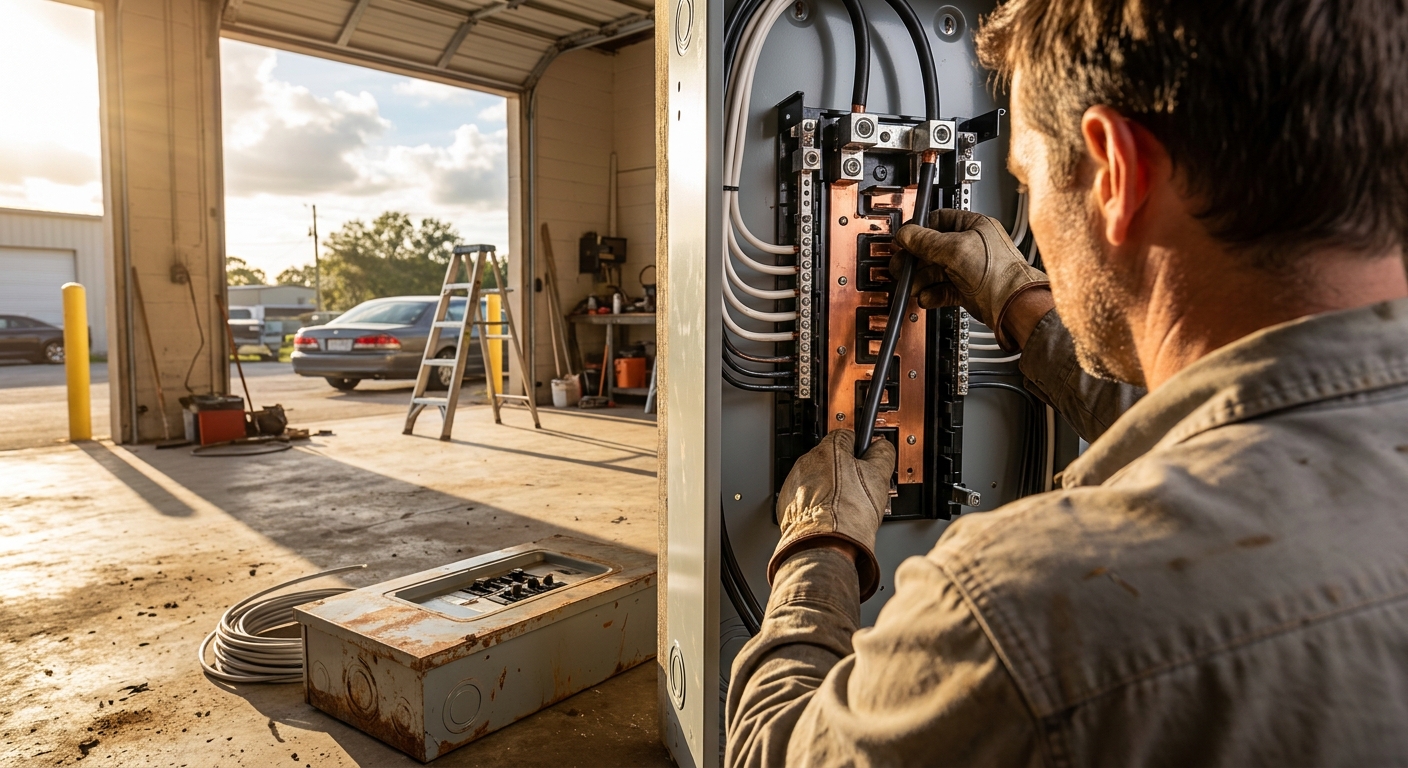
When an electrical panel needs evaluation
Panel evaluation separates service capacity, circuit space, equipment condition, and the needs of any planned electrical loads.
Read guide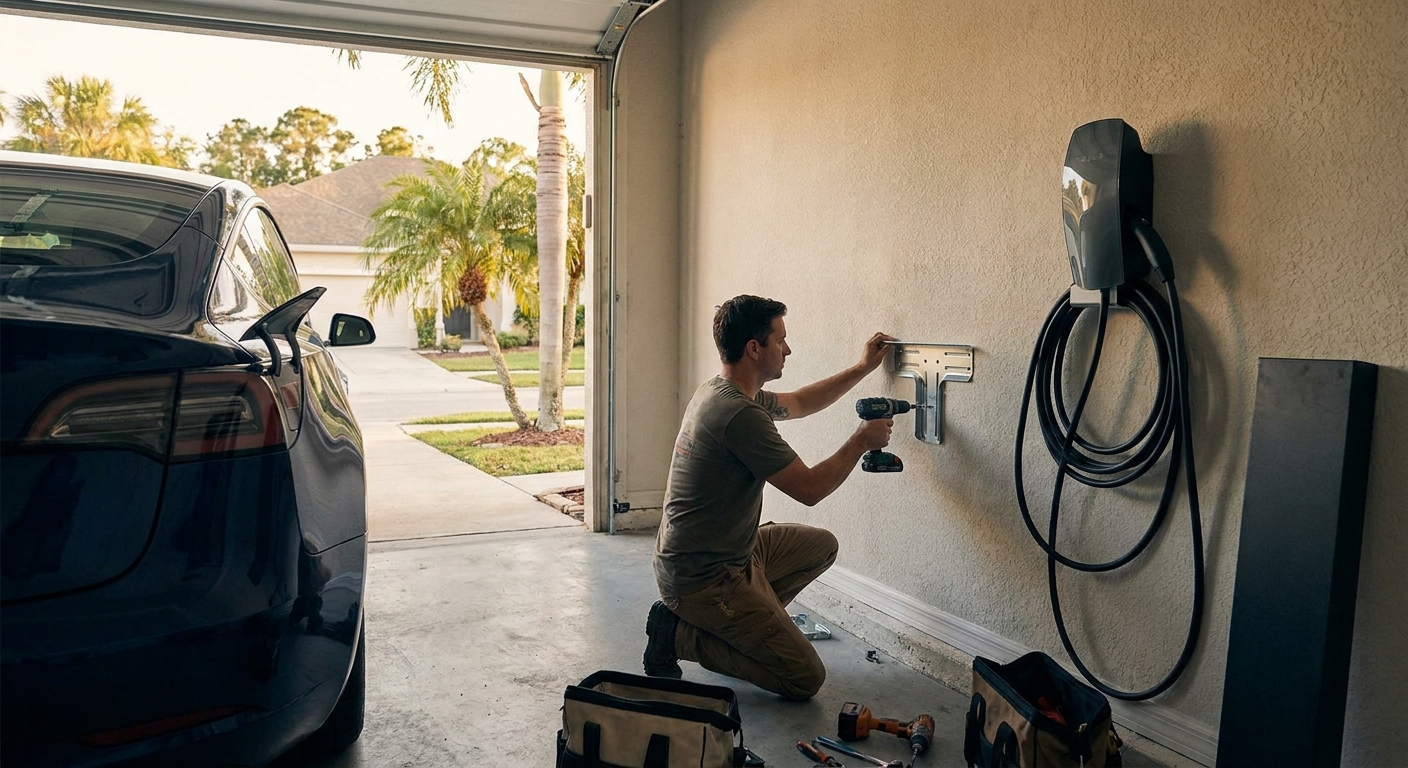
Home EV charging decisions in Tampa
The right home charging setup depends on the vehicle, daily range needs, parked time, installation location, and available electrical capacity.
Read guide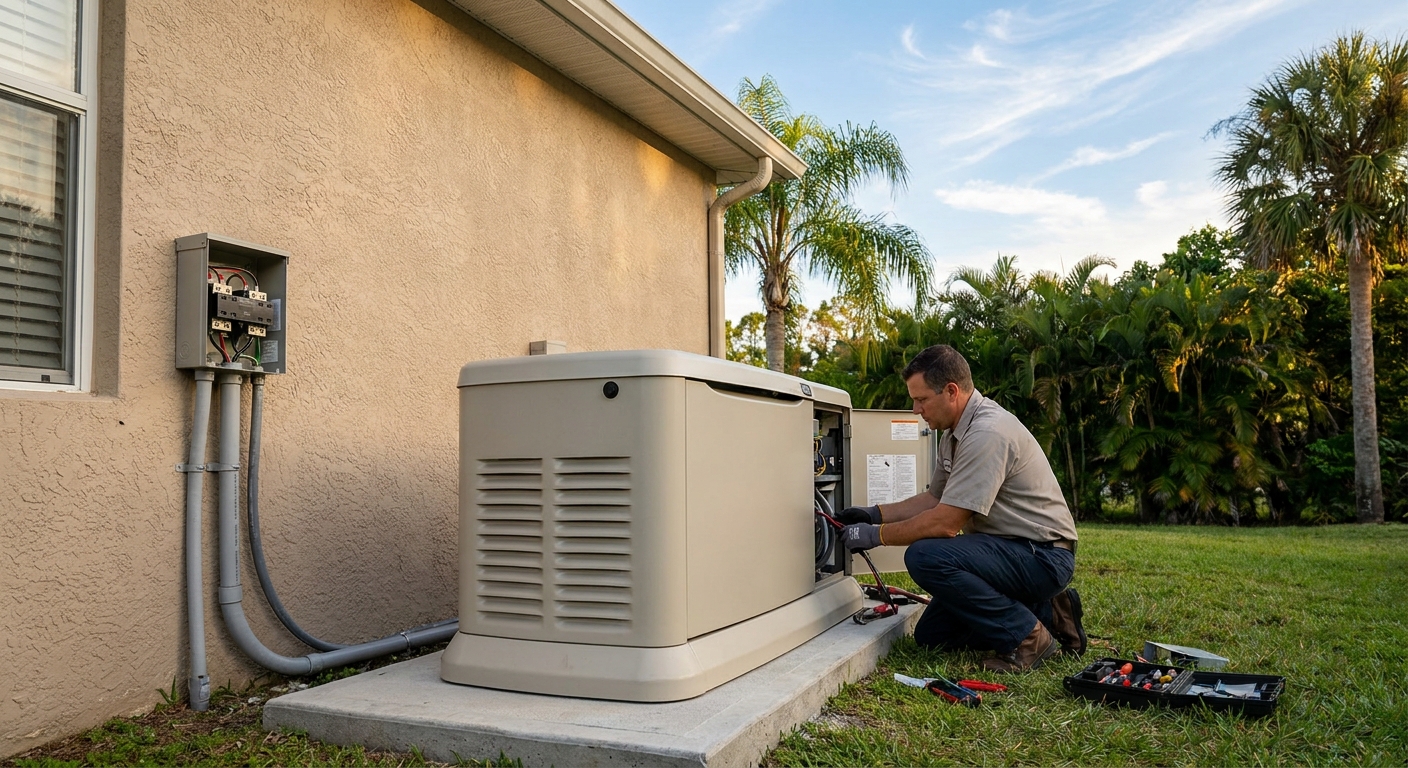
Standby and portable generator safety
Portable and fixed standby generators serve different needs, and both require careful planning for isolation, fuel, exhaust, and essential loads.
Read guide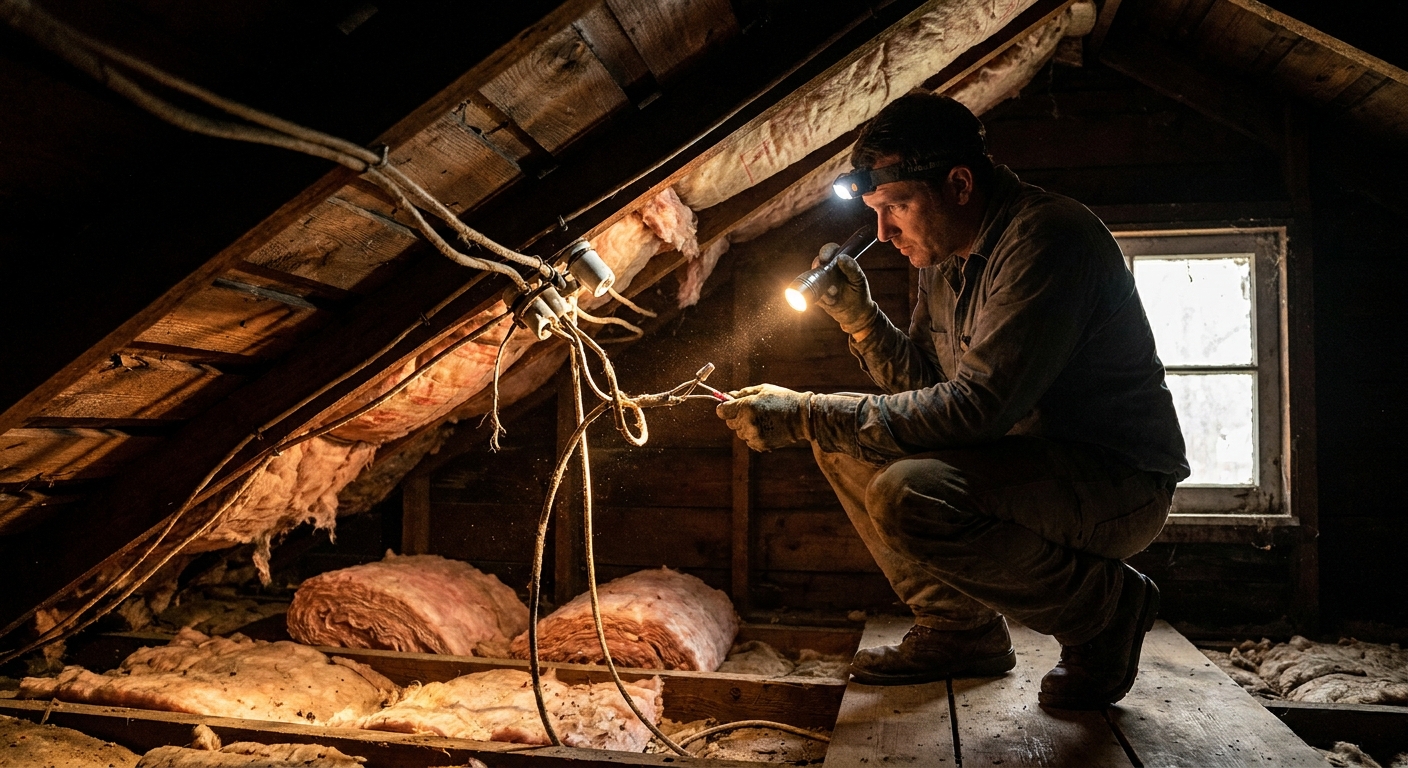
Evaluating older electrical wiring
An electrical inspection can identify the actual wiring, connection methods, equipment condition, and repair options without guessing from a home's location or age.
Read guide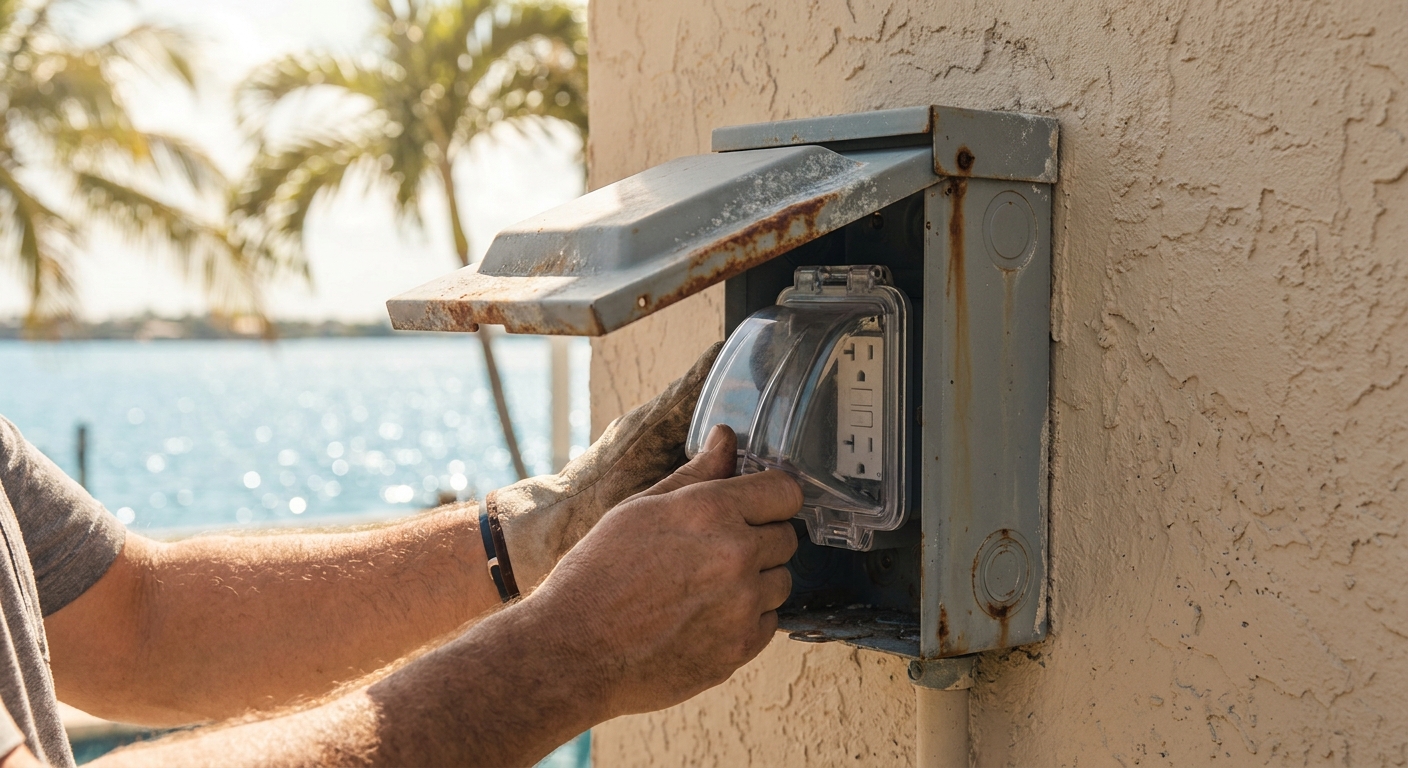
Outdoor electrical equipment near salt water
Outdoor electrical equipment near salt water should be selected for its actual exposure and checked for corrosion, moisture entry, and damaged protection.
Read guide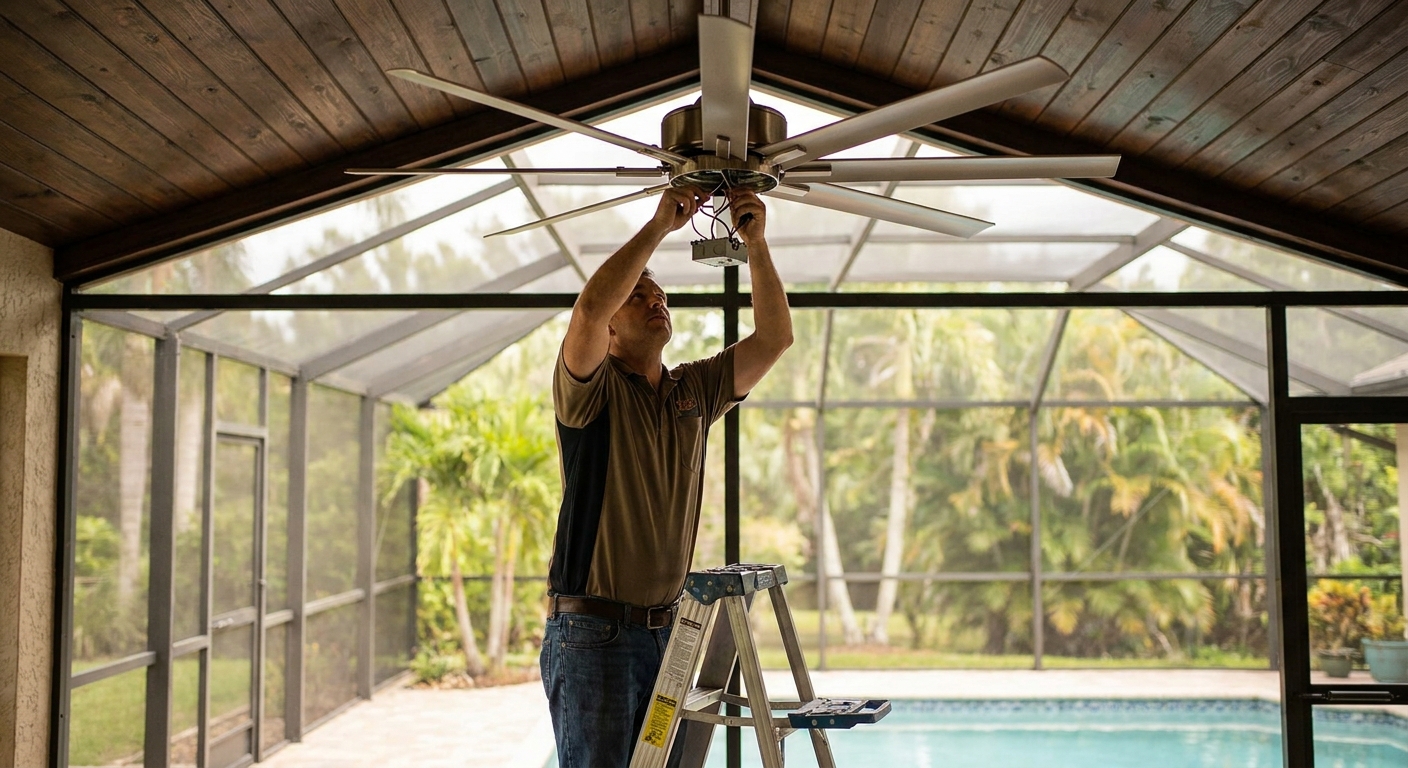
Ceiling fan support and wiring
A ceiling fan needs a properly rated, securely attached box plus wiring and controls that match the selected fan and its installation instructions.
Read guide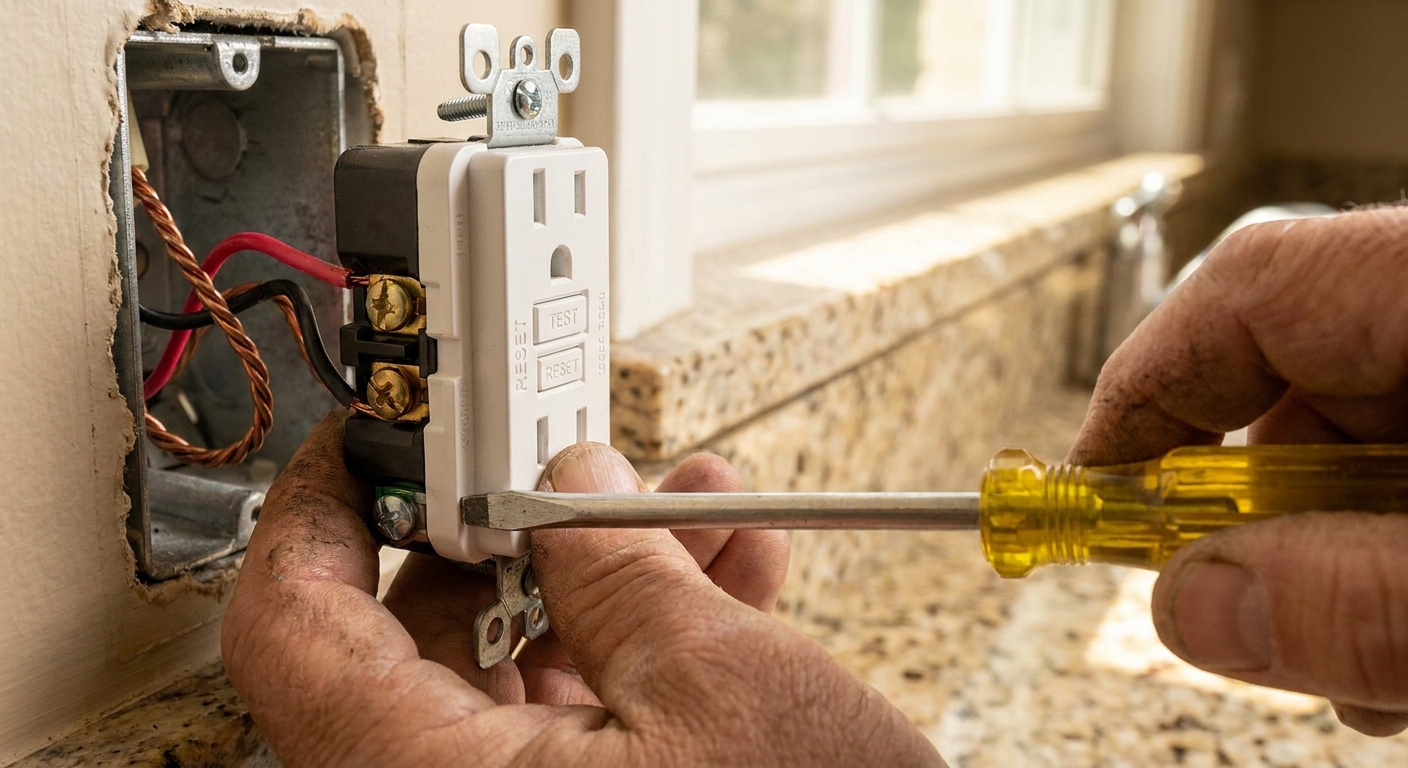
GFCI and AFCI protection explained
GFCI, AFCI, and overcurrent protection address different hazards. The correct devices and locations depend on the circuit and applicable requirements.
Read guideWhen to stop and call a professional
Heat, a burning smell, shocks, or breakers that keep tripping call for prompt qualified help. If there is smoke or fire, leave the danger area and contact emergency services. Stay away from damaged or wet electrical equipment.
-
A burning odor, buzzing, crackling, heat, or discoloration near an outlet, switch, or panel calls for prompt qualified inspection. If there is smoke or fire, leave the hazard area and contact emergency services.
-
A breaker that trips repeatedly or won't remain reset needs evaluation. Don't keep resetting it. The cause could involve an overload, connected equipment, or a circuit fault and can't be diagnosed remotely.
-
Stop using an outlet or switch that feels hot or shows scorch marks, discoloration, melting, or signs of arcing. Keep clear of damaged or wet electrical equipment until a qualified electrician inspects it.
-
Before adding an EV charger, hot tub, pool equipment, or another substantial load, have an electrician evaluate service capacity, existing loads, circuit space, and equipment condition. These are separate parts of the decision.
-
If an inspection identifies knob-and-tube wiring, ungrounded receptacles, a fuse panel, or aluminum branch wiring, ask for an assessment of the actual circuits, connections, equipment, and appropriate repair options.
-
Unexplained flicker or dimming across the home needs prompt qualified inspection, especially when paired with heat, odors, buzzing, shocks, or repeated trips. A generic page can't safely identify the cause.
Video guides from trusted channels
Hand-picked walkthroughs from established channels like This Old House. Good for understanding what a job involves before you call. Panel and service work still belongs with a licensed electrician.
How to Upgrade an Electric Meter to 200-Amp Service (Part 1)
This Old House
How to Upgrade an Electrical Panel to 200-Amp Service (Part 2)
This Old House
How To Install An EV Car Charger
Everyday Home Repairs
Emergency Standby Generator Install, Start to Finish (Generac 24kW)
FarmCraft101
How to Install an Automatic Standby Generator
Ask This Old House
How to Install Surge Protection
Ask This Old House
How To Install a Surge Protector in a Main Panel (NEC Types Explained)
Benjamin Sahlstrom
How to Wire a GFCI Outlet: What's Line vs Load?
Top Homeowner
Aluminum Wiring Repair Fix: AlumiConn Pigtail Connections
Flannel Guy DIY
How to Install a Ceiling Fan
This Old House
More electrical resources worth reading
Tampa Electric home safety
Local utility guidance on household electrical safety, portable generators, backfeeding, and fixed standby equipment.
CPSC generator and carbon monoxide safety
Federal safety guidance on operating portable generators outdoors and away from buildings and openings.
Alternative Fuels Data Center: charging at home
Federal guidance on choosing between Level 1 and Level 2 charging and evaluating a home installation.
Pinellas County building departments
A jurisdiction directory for identifying the building department that serves a Pinellas County property.
City of Largo permits
Official permit resources for properties within the City of Largo's jurisdiction.
Call to connect with a licensed electrician
We refer Tampa Bay homeowners to independent licensed and insured electricians.